

A little about us...
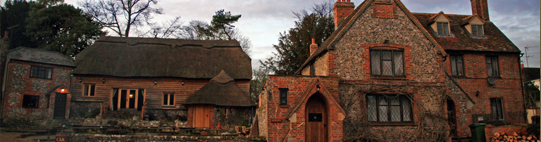
The Crown Inn, Pishill is a famous former Coaching Inn situated just outside of Henley-on-Thames, Oxfordshire. Comprising of the Old Inn, the beautiful thatched Barn, the Cottage and the wonderful English countryside: all in all; the perfect place for a Barn Wedding venue & Wedding Reception venue.
If you are looking for a unique venue for holding any kind of event; whether it be a group lunch after a long walk, to hosting one of the most important days in your lifetime, we can surpass your expectations.
For a Wedding in the warmer months: the stunning setting of the Barn and the front Garden basking in the Summer Sun throughout the day, provides the perfect backdrop for your celebratory drinks and photos. Then, moving onto the evening reception; the secluded Barn Garden catches the sunset over the neighbouring vineyard, meaning you can make the most of an English Summers Day.
For a Winter Wedding, the lure of the warming log fires, the cosy-ness and rustic charm of the main bar, as well as the knowledge you have the site all to yourselves, ensures The Crown Inn certainly is a venue for all seasons.
Should you be looking for a smaller but no less important event, perhaps a birthday dinner, maybe a midweek walkers lunch or even a well earned Sunday lunch after a long week, we would love to welcome you soon.
The thing about non gamstop casinos 10 deposit is that most of them let you deposit and withdraw money starting at 10 pounds. That means you can cash out your winnings starting at 10 pounds. Some online casinos with low minimum deposits that accept £10 also offer bonuses and special promotions that you can activate and use with a £10 deposit.
OPENING HOURS:
Wednesday to Saturday: 12pm to 3pm & 6pm to 11pm.
Sunday: 12pm to 3:30pm
We are closed for business on the 25th & 26th December and the evenings of the 31st December & 1st January.


